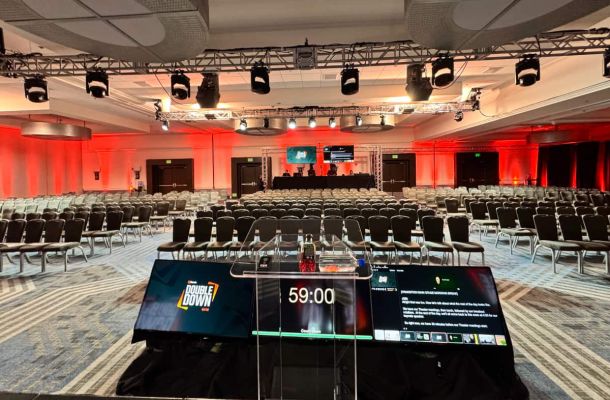
How to Produce a Corporate Gala or Awards Night: Show Flow, Walk-Ups and Lighting Cues
For most companies, the gala or awards dinner is the biggest night of the year. It is the evening leadership thanks the team, the room is full of people who earned their place in it, and every person whose name is called deserves a moment that feels like theirs.
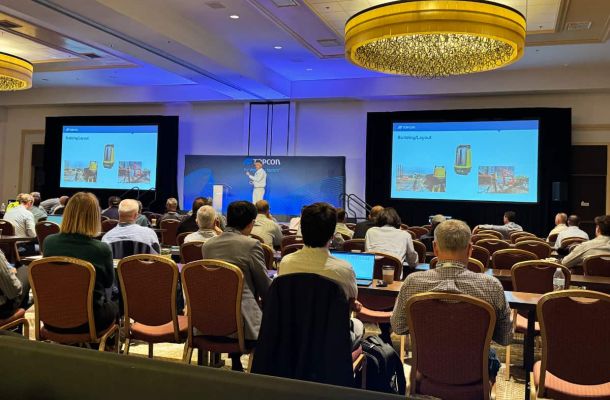
A great awards night is a show, and like any show, it runs on a run of show. Here is how we approach the evening in the order guests experience it, from the walk-in and dinner to the program and the party, and what production does to carry each part of the night.
The run of show is the backbone of the night
Every smooth awards night starts with a document that most guests will never see.
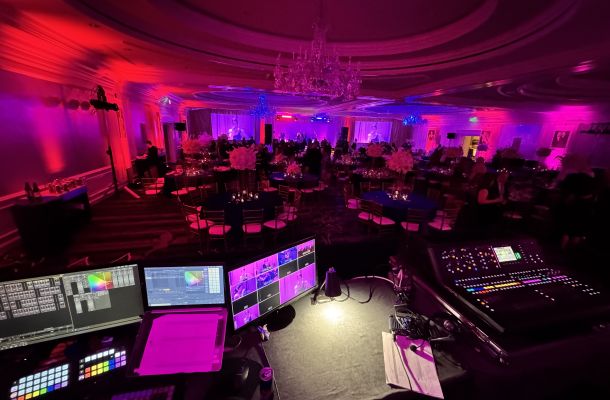
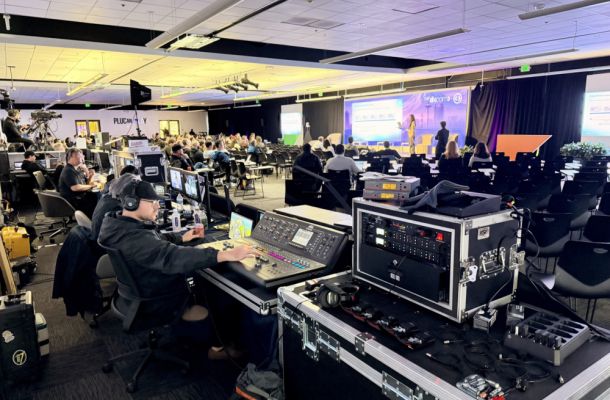
The run of show lays out the evening cue by cue. Each presenter entrance, each name read, each walk-up, each graphic and each lighting change gets its own line, along with who is speaking, what is on the screens and what the crew does next. Think of it as the sheet music the whole crew plays from, with the technical director calling the show so that audio, lighting and video all arrive on the same cue.
Once the run of show is built, we walk through it in a tech rehearsal. Presenters learn where to stand and where to exit, we hear every name read out loud, and we play each walk-up against the graphic it belongs to. We preload presenter and award content as much as possible ahead of that rehearsal, so the evening itself is about the people on stage rather than the files behind them.
The most helpful thing a planner can send early is the final winners list, the presenter order and a pronunciation guide for any name that might be unfamiliar. Those three pieces let us build the program around the people in it.
Let the lighting move with the evening
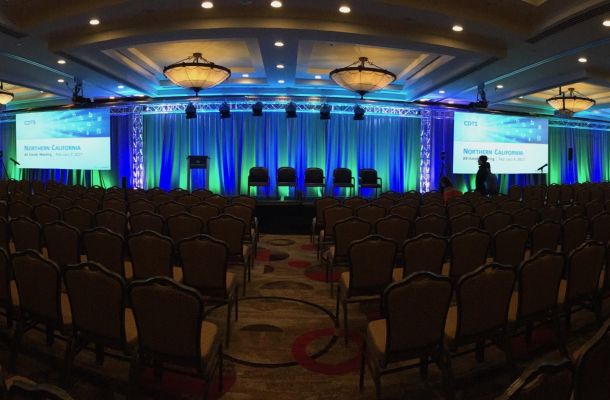
A gala is really several events in one night, and each part can have its own look. The walk-in usually calls for something warm and welcoming while guests find their tables and the screens carry the event branding. Dinner can settle into a softer, more intimate look that keeps the room comfortable for conversation. When the program begins, the focus shifts to the stage, and when the last award is handed out, the room can open up into something brighter and livelier for the party.
All of these looks are built ahead of time and run from a lighting console, with each change written into the run of show as a cue. That way the room moves with the night instead of staying fixed from doors to close, and every transition lands right when the program calls for it.
If you are thinking about the room design itself, the drape, uplighting and set that shape a ballroom before anyone arrives, our November post, Making the Most of the Hotel Ballroom, walks through that side of the evening.
What goes into a single award moment
An award moment lasts less than a minute, and a lot happens in that time.
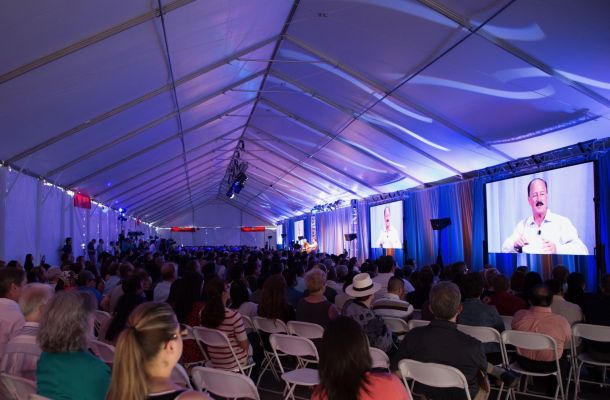
It starts with the name read, delivered from a script that matches what is about to appear on the screens. As the name is called, walk-up music or a short stinger plays to give the winner an entrance, and a light finds them as they stand and make their way to the stage. A camera picks them up along the way and puts them on the screens, so the tables at the back of the room can see the face of a colleague they are cheering for. A graphic with their name and award comes up to match the script, and it stays up while they accept.
None of these pieces is complicated on its own. What makes the moment feel like an occasion is that they arrive together, and that is the technical director's job. Our technical director calls each element in sequence from the run of show, so the music, light, camera and graphic all meet the winner at the same moment.
It is worth deciding early which awards get full walk-up music and which get a short stinger. A program with many categories often uses stingers for most of them and saves longer walk-ups for the top honors, which keeps the pace up while still giving every winner a real entrance.
Pacing keeps the room with you
The best awards programs finish while the room is still full and the energy is high, and that comes down to pacing. When the program is tight, guests stay engaged through the last name, and there is still plenty of evening left for the party that follows. Our technical director keeps an eye on the clock throughout, working with the emcee and the planner to keep each segment on schedule, and we time the program during rehearsal so everyone knows how long the evening will run.
Many planners also find it helps to present a few of the biggest awards a little earlier in the program, while every table is still there to celebrate them. It is a small change in order that lets the most meaningful moments happen in front of the whole room.
The best spring awards nights and 2027 galas start early
If your December event is just around the corner, we hope this gives you a closer look at what goes into the night you are about to have.
If you are already thinking about a spring awards night or next year's gala, this is a wonderful time to start the conversation. Programs come together best when production is part of the planning from the beginning, while the run of show is still taking shape, and we would be glad to help you build a night your team will remember.